Systems & Operations

Pizza Delivery Systems

A detailed breakdown of the operational frameworks, dispatch infrastructure, zone management protocols, and delivery flow coordination that power modern pizza logistics in the United States.

ℹ️ This page covers informational content about how delivery systems are structured. Pizza Logistics Hub does not operate, affiliate with, or represent any delivery service or restaurant.

What Is a Pizza Delivery System?

A pizza delivery system is the integrated set of technologies, protocols, and human workflows that coordinates the movement of food from a preparation point to a customer's location. It is not simply a driver picking up a box β€” it is a real-time logistics operation involving spatial data, timing algorithms, vehicle routing, and thermal management, all running simultaneously.

At its core, a modern pizza delivery system consists of four interlocking components: the order management layer, which captures and queues requests; the dispatch engine, which assigns drivers and calculates routes; the zone infrastructure, which defines geographic coverage boundaries; and the handoff protocol, which governs the final delivery interaction and confirmation.

Understanding how these components interconnect reveals why pizza delivery β€” at scale β€” is one of the most logistically demanding forms of last-mile food transport in the consumer market.

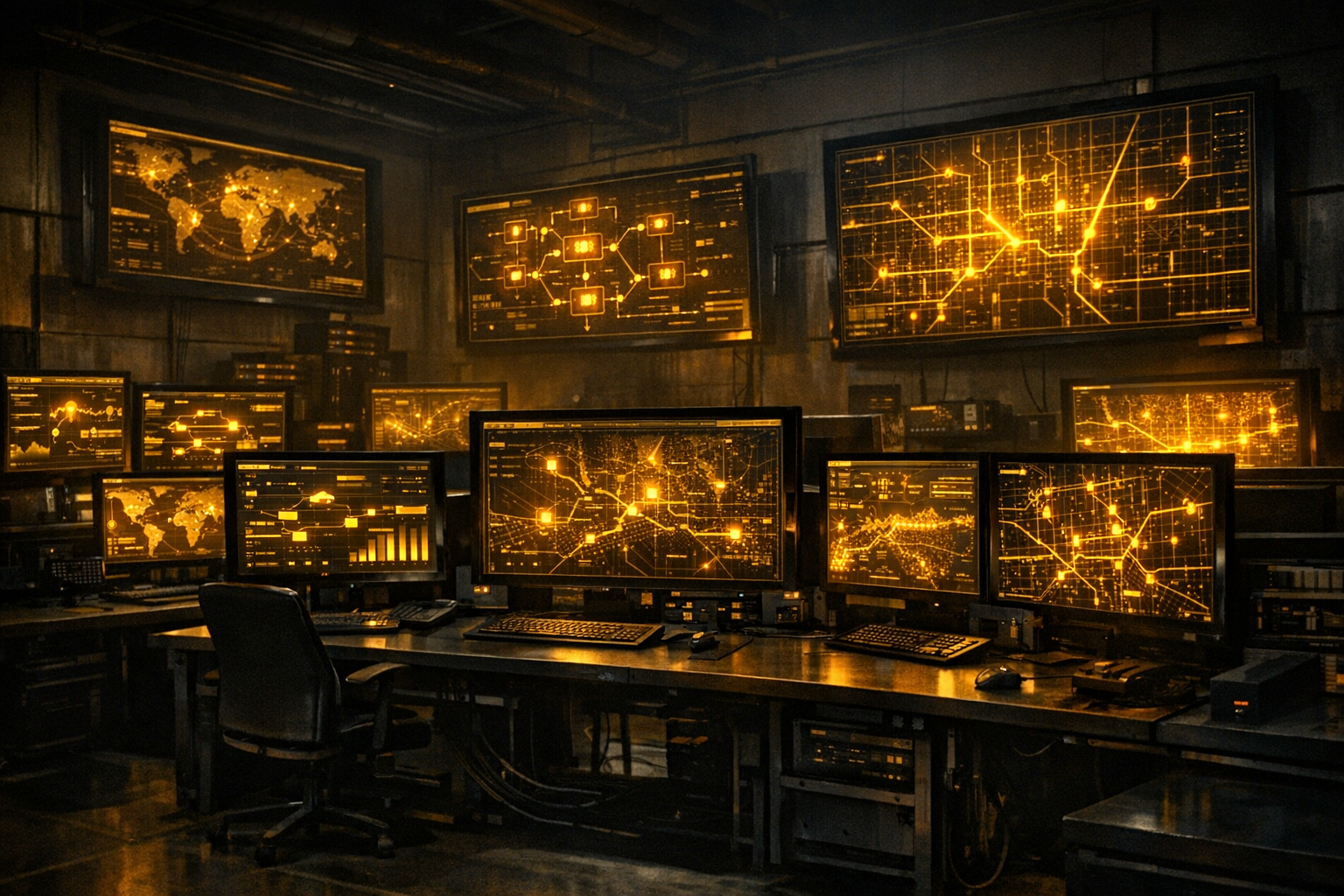
Delivery dispatch control center monitoring system

Key System Insight

Most large-scale pizza delivery operations process hundreds of concurrent delivery assignments across a single metropolitan area, requiring automated dispatch systems capable of real-time optimization with sub-second decision latency.

Core Operational Components

Each operational layer of a pizza delivery system serves a distinct function within the broader logistics chain.

πŸ“‘

Dispatch Engine

The dispatch engine is the brain of any delivery system. It receives incoming order data β€” including delivery address, estimated preparation time, and customer location β€” and automatically identifies the most efficient driver assignment. Modern dispatch engines use weighted scoring algorithms that factor in driver proximity, current order load, and route complexity simultaneously.

πŸ—ΊοΈ

Zone Management

Delivery zones are pre-defined geographic polygons that determine which addresses a given location can serve within a target delivery time. These zones are not static β€” they can expand or contract dynamically based on driver availability, time of day, demand volume, and real-time traffic conditions. Zone boundary management is a continuous operational task in any high-volume system.

πŸ“Š

Queue Management

Orders are entered into a dynamic queue that prioritizes assignments based on preparation readiness, driver proximity, and delivery time targets. Queue systems use first-in, first-out logic as a baseline but override it when proximity or deadline constraints demand reordering. This prevents bottlenecks during peak-demand windows such as weekend evenings.

πŸ“

GPS Tracking Layer

Real-time GPS tracking enables dispatch systems to maintain continuous awareness of every active driver's location, speed, and heading. This data feeds back into the routing and zone management systems, enabling live recalculation of estimated delivery times and dynamic reassignment if a driver experiences delays. Tracking accuracy is typically updated at intervals of 5–15 seconds.

πŸ”

Route Optimization

Route optimization software calculates the fastest or most fuel-efficient path from origin to delivery address, incorporating real-time traffic data, turn restrictions, road construction alerts, and historical speed patterns. Advanced systems support multi-stop routing, allowing a single driver to carry two or more orders to different addresses along a shared corridor without significantly increasing delivery times for either customer.

βœ…

Confirmation & Logging

Upon delivery completion, the system logs the handoff event with a timestamp, GPS coordinates, and driver ID. This data is used for performance analytics, dispute resolution, and continuous improvement of zone and routing models. In modern systems, confirmation can be triggered automatically via geofence arrival detection rather than manual driver input.
Dispatch System Types

System Type Assignment Method Typical Latency Best For
Manual Dispatch Human dispatcher assigns each order 30–90 seconds Low-volume, single-location operations
Semi-Automated Software suggests; human confirms 10–30 seconds Mid-volume operations with override needs
Fully Automated Algorithm assigns without human input <5 seconds High-volume, multi-driver urban fleets
AI-Predictive ML model pre-positions drivers by forecast Proactive (pre-demand) Large-scale networks with demand pattern data

The Complete Delivery Flow

From the first data point captured to the final handoff confirmation, every delivery follows a structured operational sequence.

Stage 1 β€” Order Capture & Validation

An order enters the system with a full data payload: delivery address (geocoded to GPS coordinates), estimated preparation time, and any special handling notes. The system immediately validates the address against active delivery zones and assigns a delivery time estimate based on current driver availability and traffic conditions. Orders outside active zones are flagged automatically.

Stage 2 β€” Preparation Window Management

The dispatch system monitors preparation progress and begins driver staging during this window. Rather than dispatching immediately, optimized systems hold the assignment until the estimated preparation completion time minus average driver travel time from current position. This minimizes idle wait time at the pickup point and ensures the driver arrives precisely as the order is ready.

Stage 3 β€” Driver Assignment & Route Calculation

The dispatch engine selects the optimal driver using a multi-variable scoring model. Factors include current GPS position relative to origin point, number of active orders already assigned, vehicle type relative to zone terrain, and estimated travel time to origin. Once assigned, the routing engine calculates a turn-by-turn path and pushes it to the driver's device in real time.

Stage 4 β€” Pickup & Thermal Sealing

At the origin point, the driver takes physical custody of the packaged order. Proper pickup protocol involves verifying the order against the delivery manifest, confirming thermal packaging integrity (insulated bag sealed, no visible damage), and initiating the transit timer on the device. The system begins calculating estimated arrival time from this confirmed pickup timestamp.

Stage 5 β€” Active Transit Monitoring

During transit, the system continuously monitors driver GPS position against the planned route. If the driver deviates β€” due to road closures, traffic incidents, or navigation errors β€” the routing engine automatically recalculates and pushes an updated path. The estimated delivery time displayed is updated in real time based on current progress against the original route profile.

Stage 6 β€” Delivery Completion & System Close

Upon arrival at the delivery address, a geofence trigger (or manual confirmation) closes the active delivery record. The system logs final GPS coordinates, total transit time, and deviation from estimated time. This data feeds into performance dashboards and is used to refine zone boundaries, improve route models, and identify systemic delays for operational review.

Technology Behind Modern Systems

Mapping & Geospatial Infrastructure

Modern pizza delivery systems are built on top of commercial mapping APIs that provide real-time traffic data, road network graphs, and geocoding services. These APIs translate human-readable addresses into precise GPS coordinates and generate traversable route graphs that dispatch engines use for path calculation. Delivery zone polygons are stored as geospatial datasets and queried in real time against incoming address coordinates.

Some high-volume operators maintain proprietary geospatial layers that augment commercial map data with local knowledge β€” such as delivery-hostile buildings, gated community access protocols, or parking restriction zones β€” improving last-mile accuracy beyond what standard mapping services provide.

Driver Communication Systems

Drivers operate through dedicated mobile applications that serve as the terminal point of the dispatch system. These apps receive push assignments, display turn-by-turn navigation, capture pickup and delivery confirmation events, and relay GPS position data to the dispatch engine at regular intervals. The communication pipeline between driver apps and the central dispatch system typically operates over cellular data networks with redundant failover protocols to minimize dropouts during transit.

In more advanced implementations, driver apps also support batch routing β€” displaying multiple delivery stops on a single route map, prioritizing stops by deadline, and dynamically resequencing them if traffic conditions change during the run.

Next: Transport Methods

Now that you understand the operational systems behind pizza delivery, explore the full range of vehicles and transport strategies used to execute those deliveries on the ground.

Explore Transport Methods β†’